November 14, 2026
Choosing the right surface is an important part of designing a kitchen or bathroom because it influences both the room's appearance and everyday functionality. Homeowners have many materials to consider, each offering different advantages in durability, maintenance, color, and overall style. Some prefer natural stone with distinctive patterns, while others choose manufactured surfaces that provide a more consistent appearance. The best option depends on how the space will be used, the homeowner's budget, and the amount of maintenance they are comfortable performing. When comparing countertops, it is helpful to look beyond appearance and consider how each material handles spills, heat, scratches, and regular cleaning. A surface that works well in a busy kitchen may have different requirements from one installed in a guest bathroom. Understanding the characteristics of popular materials can make the selection process easier and help prevent costly design mistakes. The following options highlight some of the most common choices for residential spaces.
Explore the Versatility of Quartz Surfaces
Quartz has become a popular choice among homeowners who want a combination of style, durability, and relatively simple maintenance. Unlike natural stone slabs, engineered quartz is manufactured using crushed quartz combined with resins and pigments. This process creates a nonporous surface that does not require routine sealing under normal use. According to Real Simple, a study found that 78% of respondents identified quartz as their preferred material for countertops. Its popularity is partly connected to the wide range of colors, patterns, and finishes available. Homeowners can choose designs that resemble natural marble or select more uniform colors for a contemporary appearance. Quartz is generally resistant to stains and everyday wear, although it can be damaged by excessive heat and harsh chemicals. Using protective pads and following the manufacturer's cleaning recommendations can help preserve its appearance.
Appreciate the Natural Beauty of Granite
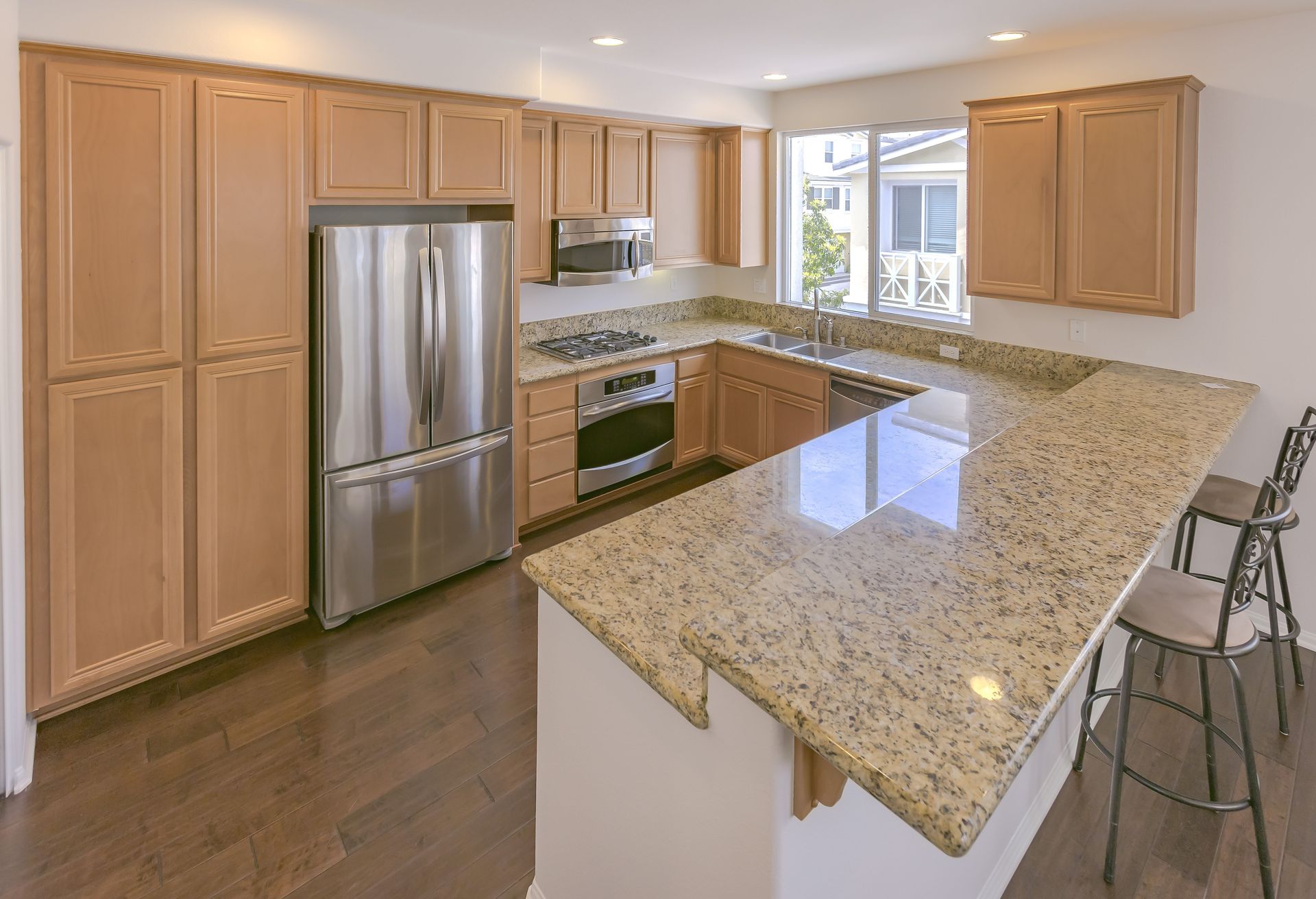
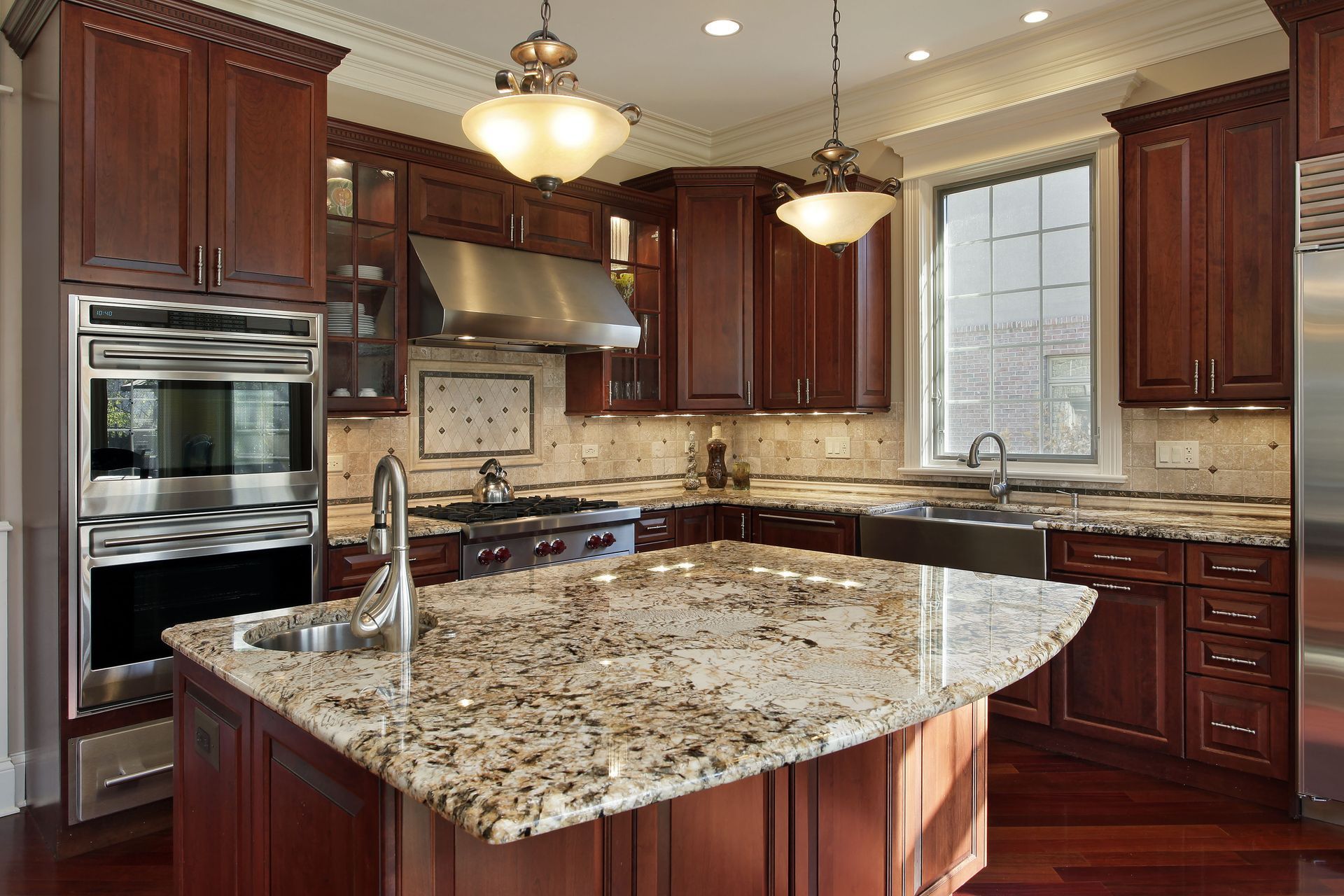
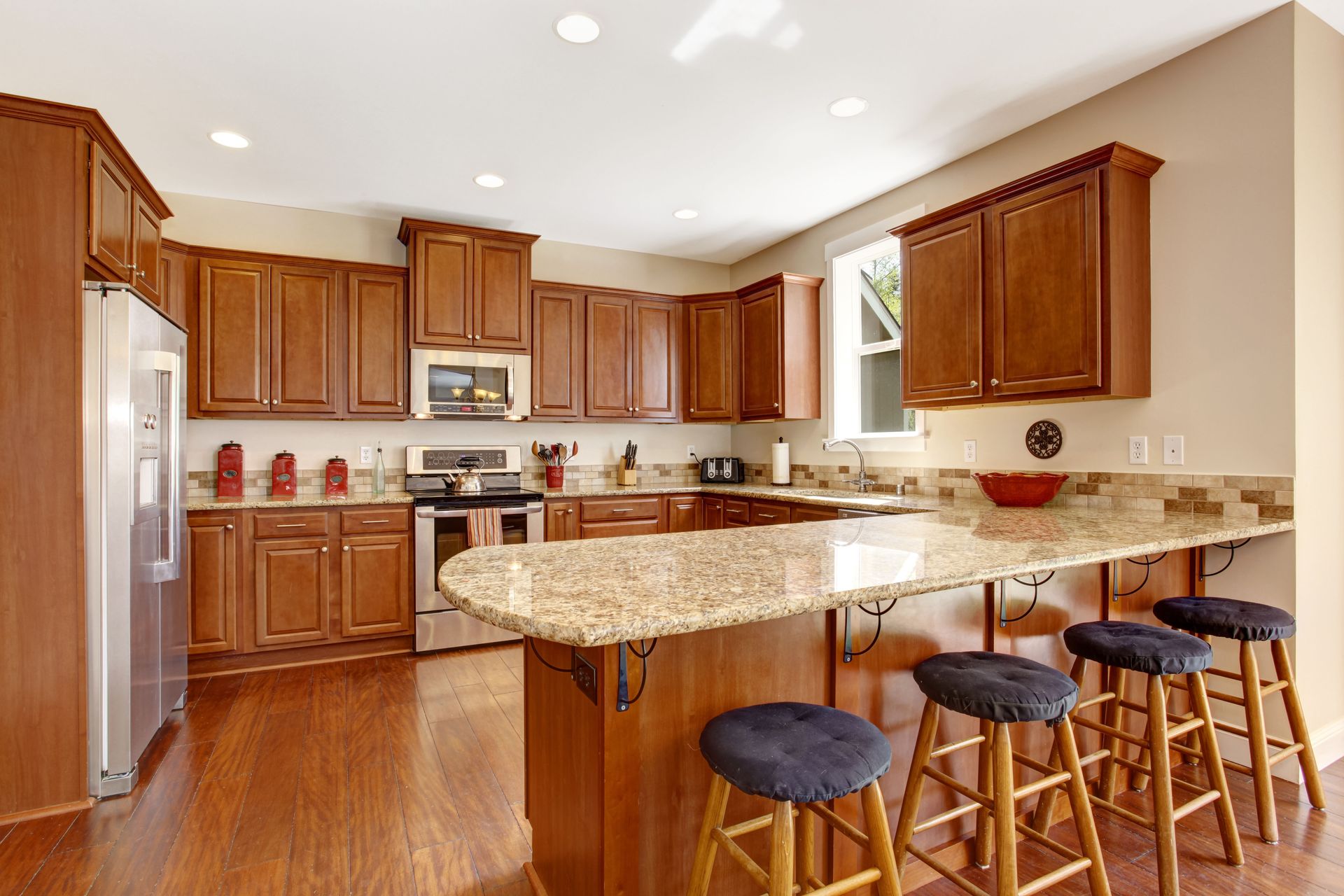
Granite remains a familiar option for homeowners who appreciate the distinctive appearance of natural stone. Each slab develops its own mineral patterns, colors, and variations, giving every installation a unique character. The material is known for its hardness and ability to handle many demands of daily kitchen use. Granite countertops are available in a variety of shades, ranging from lighter neutrals to darker colors with dramatic veining or speckling. Because granite is a natural material, homeowners should examine the actual slab before making a final selection. Some varieties are more porous than others and may require periodic sealing to help protect against stains. Routine cleaning with products suitable for natural stone can help maintain the finish. For homeowners who want an organic appearance and distinctive surface patterns, granite offers a combination of natural character and practical performance.
Consider the Elegant Appearance of Marble
Marble is often selected for its refined appearance and recognizable veining. Its natural patterns can create a distinctive focal point in kitchens, bathrooms, and other interior spaces. Available in several colors, marble can complement traditional, modern, and transitional design styles. However, marble is softer and more porous than many other stone options, making it more vulnerable to scratches, staining, and etching. Acidic substances such as lemon juice, vinegar, and certain cleaning products can dull its surface. Homeowners considering marble countertops should understand that regular care is necessary to preserve the material's appearance. Sealing may help reduce staining, but it does not make marble completely resistant to damage. For those who appreciate natural variation and are comfortable with the maintenance requirements, marble can provide a timeless design element.
Choose the Practical Appeal of Solid Surface Materials
Solid surface materials offer another option for homeowners seeking a consistent appearance and flexible design possibilities. These products are typically manufactured from a blend of acrylic or polyester resins and mineral materials. Their composition allows manufacturers to create a wide selection of colors, patterns, and finishes. Some solid surface countertops can also be formed with integrated sinks or seamless transitions, creating a smooth and coordinated look. Because the material is nonporous, it is generally easy to clean and does not require sealing. Minor scratches may be repairable through appropriate sanding or refinishing, depending on the product and damage. However, solid surfaces can be more vulnerable to heat than certain natural stones, so hot cookware should not be placed directly on them. This material can be a useful choice for homeowners who value a uniform design and straightforward everyday care.
Compare the Strength of Quartzite Surfaces
Quartzite is a natural stone that appeals to homeowners who want the appearance of marble with a harder surface. It forms when sandstone undergoes heat and pressure, creating a dense material with distinctive natural patterns. Many varieties feature soft veining and neutral tones that work well in different interior designs. Quartzite countertops can provide a durable work surface, although their performance depends on the specific stone and its treatment. Some varieties may require sealing to help protect against moisture and staining. Homeowners should also confirm that a slab is genuine quartzite because it can sometimes be confused with marble or other natural stones. A knowledgeable stone professional can help explain the material's characteristics and maintenance requirements. For those interested in natural stone with a distinctive appearance, quartzite is worth considering alongside granite and marble.
Explore the Affordability of Laminate Surfaces
Laminate is often considered by homeowners who want a broad selection of designs at a more accessible price point. It is generally made by bonding decorative paper and resin layers to a supporting material. Modern manufacturing allows laminate to imitate the appearance of wood, stone, and other popular finishes. This makes it possible to achieve a coordinated look without choosing a more expensive natural or engineered stone. Laminate countertops are relatively easy to clean with mild household products and do not require sealing. However, the material can be damaged by sharp objects, excessive heat, and moisture that reaches exposed seams or edges. Unlike some solid surfaces, damaged laminate can be difficult to repair without replacing the affected section. For homeowners planning a budget-conscious renovation, laminate can offer practical design flexibility when its limitations are understood.
Match Materials to Your Lifestyle and Budget
Selecting a countertop material requires balancing appearance with the demands of everyday use. A busy household may prioritize stain resistance and easy cleaning, while someone focused on design may be more interested in natural patterns and distinctive finishes. Homeowners should also consider how much time they are willing to spend on sealing, polishing, or other maintenance. Comparing countertops by their long-term care requirements can help narrow the options before purchasing. It is also important to account for installation costs, edge profiles, sink cutouts, backsplashes, and any additional preparation work. Viewing full slabs or large samples can help reveal color variations and patterns that smaller samples may not show. An experienced fabricator can explain how different materials perform and identify considerations specific to the planned installation. Taking time to compare these details can lead to a surface that complements the home and supports everyday activities.
Select the Right Surface for Your Home
The most suitable material depends on the homeowner's design preferences, budget, and expectations for long-term care. Quartz, granite, marble, quartzite, laminate, butcher block, solid surface, and concrete each offer different benefits and limitations. Comparing samples and discussing installation requirements can help homeowners make a decision that fits their space. C&C Granite can help you explore material options and find a surface that complements your home's design and functional needs. Contact us to discuss your project and take the next step toward choosing the right countertop for your space.