November 5, 2026
Countertops are essential components of any kitchen or bathroom, serving as indispensable work surfaces and central visual focal points. Protecting countertops from everyday wear is vital for maintaining their original luster, structural strength, and long-term home value. While daily wear is inevitable in an active household, severe degradation is preventable through disciplined maintenance and sensible operational habits. Because different fabrication materials feature distinct physical and chemical vulnerabilities, protective routines must align with specific mineral or synthetic compositions. Implementing comprehensive protective strategies prevents common cosmetic flaws while ensuring your living spaces remain functional, durable, and visually striking for decades to come.
Understanding Different Material Characteristics
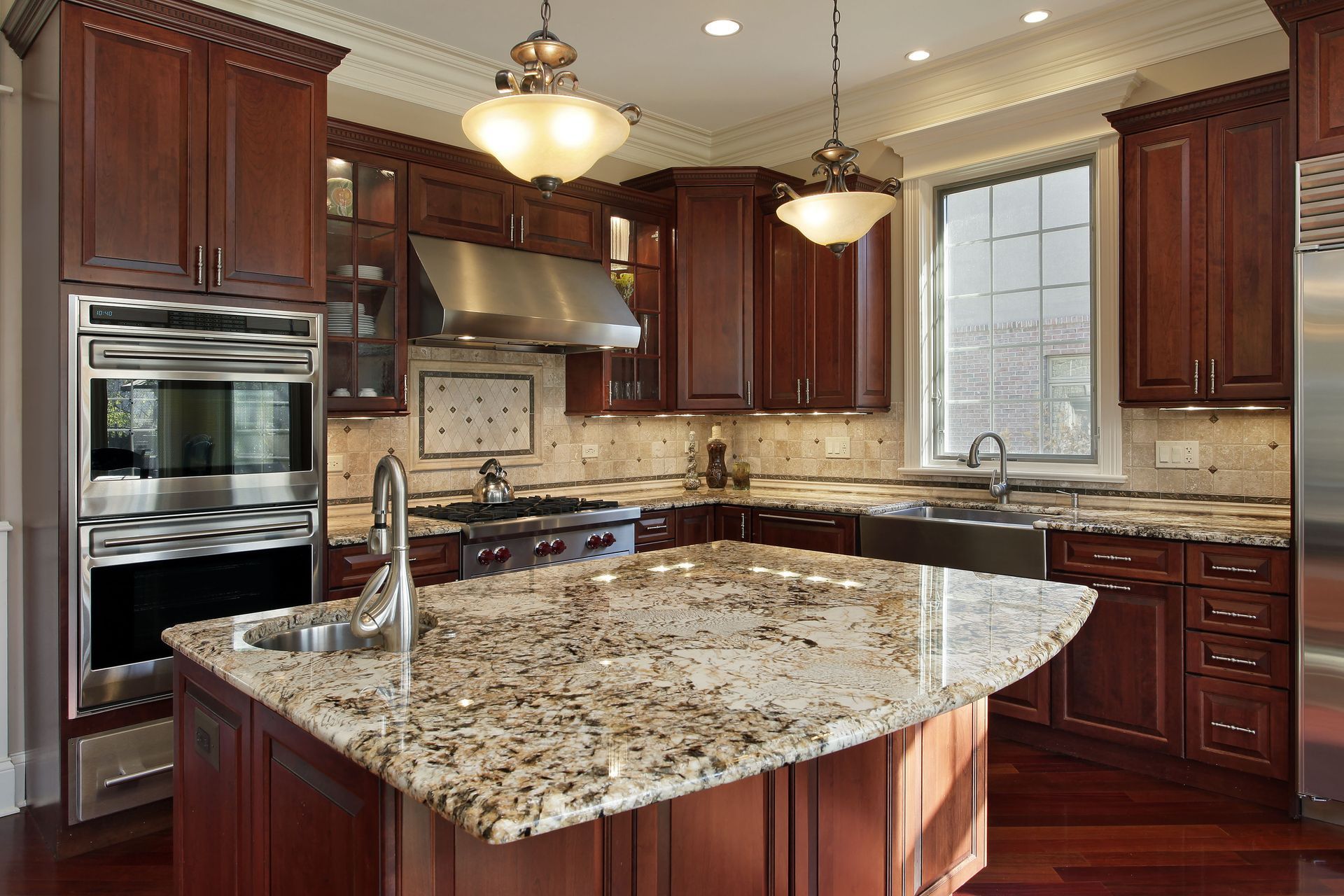
Natural stone, engineered composites, and laminates exhibit distinct qualities that dictate their reactions to impact, heat, and moisture. Granite remains a favored choice for residential installations due to its natural beauty and exceptional hardness, yet its porous crystalline structure requires regular sealing to prevent stubborn discoloration. Engineered quartz presents a resilient, non-porous alternative, blending crushed minerals with polymer resins to eliminate routine sealing, though high temperatures can scorch resin binders.
Marble brings timeless luxury to interior spaces, but its calcium carbonate composition makes it vulnerable to acidic etching from citrus juice, vinegar, and sauces. In contrast, laminate countertops offer an economical alternative made of plastic resins bonded over particleboard. While laminates resist superficial spills, they scratch easily under sharp blades, scorch under hot pans, and swell if moisture penetrates unsealed seams.
Selecting Mild Cleaning Formulations
Preserving beautiful countertops requires careful selection of daily cleansing agents, since harsh household chemicals cause extensive finish degradation over time. Many conventional multi-surface cleaners contain abrasive agents, bleach, or ammonia that strip protective sealers and degrade synthetic binders. When caring for natural stone like granite or marble, acidic cleaners must be avoided entirely to prevent chemical etching. Homeowners should instead choose pH-neutral cleaners specifically formulated for stone care, which dissolve grease without disturbing factory finishes.
For quartz and laminate surfaces, warm water mixed with mild dish soap provides safe, reliable cleaning performance. Abrasive scouring pads, wire wool, and gritty powders must never be used on finished surfaces, as microscopic abrasions permanently dull reflective polishes. Soft microfiber cloths trap dirt particles safely without scratching glossy sealers, keeping work surfaces gleaming.
Establishing a Consistent Daily Routine
Regular maintenance is the most effective defense against the gradual accumulation of dirt, abrasive grit, and grease that diminishes surface appeal. Establishing a dependable daily wipe-down schedule prevents cooking residues from hardening into stubborn deposits that require aggressive scrubbing. Organizing cleaning habits around existing meal preparation routines makes surface upkeep effortless. Moving methodically across the surface in smooth passes ensures that backsplashes, corners, and perimeter edges receive thorough attention every day.
Combining daily wipe-downs with periodic inspections keeps residential installations in peak condition. Taking several minutes each month to inspect high-use prep zones helps homeowners identify localized dullness, failing caulk beads, or hairline cracks before minor issues escalate. Maintaining consistent habits also reinforces the importance of cutting boards and prompt spill management, preserving high-gloss shine for years to come.
Treating Accidental Spills Immediately
Prompt spill cleanup is essential for shielding natural stone and composite surfaces from permanent staining and chemical damage. Porous stones like granite, limestone, and marble absorb colored liquids quickly when protective sealers wear thin. Dark liquids like red wine, black coffee, and cooking oils leave deep stains if allowed to settle into stone pores. When spills occur, immediately blot the affected area with an absorbent microfiber cloth rather than wiping, which merely spreads the liquid across a larger area.
Acidic spills require urgent attention to prevent chemical etching on delicate mineral finishes. On polished marble, droplets from citrus juice or vinegar cause visible etching within minutes, creating dull spots across glossy planes. Blotting acidic puddles immediately and rinsing the spot with fresh water neutralizes residual acids, stopping corrosive reactions before they permanently compromise the stone.
Drying Finished Surfaces Thoroughly
Permitting water to evaporate naturally off kitchen surfaces creates long-term aesthetic and structural problems. Municipal tap water contains dissolved minerals like calcium, magnesium, and silica; when puddles evaporate, these minerals remain behind as hard limescale rings. Over time, these chalky deposits bond to polished surfaces and resist standard cleaners, requiring risky scraping. Buffing surfaces dry with a soft microfiber cloth after each cleaning completely prevents mineral buildup and keeps reflective finishes sparkling.
Proper moisture management is equally crucial for avoiding rot around undermount sinks and perimeter joints. On wooden surfaces, persistent dampness fosters fungal growth, rot, and seam warping. On laminate installations, moisture seeping into seams causes particleboard substrates to swell, creating unsightly blisters. Taking a few seconds to wipe dry the areas around faucets and soap dispensers guarantees that hidden moisture will not compromise your cabinetry.
Utilizing Protective Cutting Boards
Direct contact with sharp kitchen knives represents a primary cause of scratch damage across all residential countertops. Although granite and quartz boast high mineral hardness, slicing ingredients directly on them dulls knife blades and risks chipping brittle crystalline edges. Softer materials like laminate, wood, and marble scratch easily under blade pressure, creating narrow grooves that harbor grime. Utilizing wooden or synthetic chopping boards for all food preparation shields delicate finishes while maintaining a sanitary cooking space.
Thermal shock represents another major hazard that damages natural and composite kitchen surfaces. Placing boiling cookware directly onto cold surfaces induces rapid thermal expansion, which can crack natural granite or scorch resin binders inside engineered quartz. Equipping your workspace with heavy silicone mats and trivets ensures high temperatures dissipate safely without harming underlying finishes.
Preventing Structural Stress and Fractures
Maintaining structural integrity requires understanding how massive weight loads affect cabinetry and surface spans. According to The Spruce, a 36-inch granite countertop slab could weigh as much as 100 lbs. Because dense natural stone slabs carry significant mass, underlying base cabinets must provide level, unwavering structural support to prevent pressure fractures. Excessive localized weight applied to breakfast bar overhangs or sink cutouts can easily crack stone or loosen mounting fasteners from supporting frames.
Homeowners should strictly prohibit sitting, standing, or kneeling on work surfaces when painting ceilings, reaching high shelving, or replacing light bulbs. Using a stable stepladder safely distributes body weight and prevents sudden point-load fractures. Avoiding heavy concentrated loads across unsupported overhangs keeps spans perfectly aligned over years of heavy daily use.
Guarding Finished Edges Against Impact
Exposed edges, undermount sink cutouts, and protruding corners represent the most vulnerable areas of residential stone installations. Heavy cast-iron pans, ceramic mixing bowls, and metal baking sheets can easily knock chips out of sharp stone bevels if banged against an edge during cleanup. Once an edge chips, the surrounding stone matrix weakens, creating rough spots that snag cleaning towels. Opting for softened edge profiles, such as rounded bullnose or eased contours, provides far superior impact resistance compared to sharp edges.
Exercising care when cleaning cookware in undermount sinks significantly reduces the chance of rim chipping. Placing a silicone protective mat inside the sink basin and lifting heavy pots clear of the surrounding stone prevents accidental impacts. Reminding family members to avoid striking counter edges with tools or belt buckles maintains pristine profiles and avoids costly repairs.
Maintaining Protective Sealers Over Time
Natural stone surfaces require penetrating sealers to preserve their resistance against everyday moisture and oily stains. Routine kitchen prep and continuous wiping gradually wear away protective sealers, reopening porous mineral canals to liquid penetration. Testing your sealant once or twice a year provides an easy way to check stone condition. Splash a few drops of water onto high-traffic prep areas; if the water beads tightly, the seal remains effective, but if the liquid absorbs and darkens the stone, resealing is necessary.
Applying a penetrating sealer creates a strong protective barrier against liquids without altering the stone's natural texture. Combining regular sealing schedules with sensible maintenance habits ensures you can keep your countertops performing beautifully through decades of household living. For expert guidance on stone care, professional restoration, or custom fabrication for new countertops, contact the knowledgeable team at C&C Granite to enhance your home today.